Why Choosing the Right Wedding Venue Matters
The venue decision comes before almost everything else, which is why it deserves more time than a single afternoon of scrolling Instagram. It determines your date options, since popular Indiana wedding venue spaces book out fast for peak months. It sets your budget baseline, because venue cost typically eats the largest single share of a wedding budget. And it shapes the guest experience directly: parking, accessibility, restrooms, and how far people have to walk in heels all trace back to the venue you pick.
There’s also the photography angle. A venue with good natural light and varied backdrops gives your photographer more to work with, and it shows in the final gallery. Logistics matter too. A venue used to hosting weddings will have systems in place for setup, vendor coordination, and timeline management that a general event space might not. Getting this one decision right early tends to reduce stress across the rest of the planning process, not eliminate it, but reduce it.
When Should You Book a Wedding Venue?
Timing depends on your date, your guest count, and how popular your target venue is. As a general rule:
- 18 months out—Ideal for spring and fall Saturdays, or venues with limited weekend availability.
- 12 months out—A safe window for most dates and most Indiana venues.
- 9 months out—Still workable for weekday weddings or off-peak months like January or February.
- 6 months out—Possible, but your date and venue options narrow quickly.
- 3 months out—Only realistic for smaller weddings, weekday dates, or venues with a last-minute cancellation.
If you have your heart set on a specific outdoor wedding venue in Indiana during peak season, booking closer to the 18-month mark gives you the best shot at your preferred date and the most room to negotiate on pricing or add-ons.
How Much Does a Wedding Venue Cost in Indiana?
Venue pricing in Indiana varies by type, location, and what’s bundled into the rental fee. Here’s a general breakdown to use as a starting point:
| Venue Type |
Typical Cost Range |
| Barn Venue |
$3,000 – $7,500 |
| Outdoor Venue |
$2,500 – $6,000 |
| Estate Venue |
$5,000 – $12,000 |
| Luxury Venue |
$8,000 – $20,000+ |
These ranges shift based on guest count, day of the week, season, and how much is included (tables and chairs versus a bare rental, for example). Weekday and off-season weddings often come in well below the low end of these ranges, so it’s worth asking about pricing for a Friday or a January date if flexibility works for your timeline.
Expert tip:
Ask every venue for an itemized quote, not just a headline number. Some venues bundle setup, cleanup, and furniture into the base price. Others charge for each separately, which can add thousands by the time you reach a final contract.
Wedding Planning Checklist Before Booking
Before you sign with a venue, work through this wedding planning checklist, so you’re not making decisions in the dark:
- Set a realistic overall budget, then decide how much of it goes to the venue.
- Draft a preliminary guest list, so you’re touring venues with the right capacity.
- Pick two or three possible dates, including at least one weekday or off-season option.
- Note any must-haves: covered outdoor space, on-site parking, bridal suite, in-house catering.
- Ask each venue for their full inclusion list and a sample contract.
- Confirm whether outside vendors are allowed or if you’re limited to a preferred list.
Keeping a simple planner (a shared spreadsheet works fine) with your budget, guest count, and venue notes side by side makes comparing options far easier once you’ve toured a few.
Questions Every Couple Should Ask
Tours move fast, and it’s easy to leave without asking the things that actually affect your budget or your day. Bring this list with you:
- Is parking included, and is there enough for our guest count?
- Can we bring in outside vendors, or are we limited to a preferred list?
- What’s the rain plan, and is it included in the price or an add-on?
- What deposit is required, and when is the balance due?
- What’s the venue’s alcohol policy, and do we need our own liquor license or insurance?
- Are there restrictions on decorations, candles, or hanging items?
Write the answers down. Venues host a lot of tours, and details blur together after your third or fourth visit.
What Is Included in Wedding Venue Packages?
Wedding venue packages vary widely, so this is one of the most important things to clarify before comparing prices across venues. A typical package might include:
- Tables and chairs for your full guest count
- A bridal suite or getting-ready space
- On-site parking
- Post-event cleaning
- Basic lighting for the reception
- Access to both indoor and outdoor ceremony spaces
Some venues stop there. Others add catering coordination, a day-of venue manager, or extended access for setup the day before. Neither approach is better on its own, but the price should reflect what’s actually included. A lower base price with heavy add-on fees can end up costing more than a higher price that includes everything up front.
Outdoor vs Indoor Wedding Venue
Choosing between an outdoor wedding venue in Indiana and an indoor space usually comes down to a handful of practical trade-offs:
| Factor |
Outdoor Venue |
Indoor Venue |
| Weather Risk |
Higher needs a backup plan |
Minimal |
| Photography |
Natural light, scenic backdrops |
Controlled lighting, more consistent |
| Capacity |
Often flexible with tenting |
Fixed by room size |
| Budget |
Can be a lower base cost |
Often includes more built-in amenities |
| Atmosphere |
Rustic, open, seasonal |
Climate-controlled, formal |
A lot of couples land somewhere in between, choosing a rustic wedding venue in Indiana with both a covered outdoor ceremony space and an indoor reception hall. That combination gives you the scenery for photos without betting the entire day on clear skies.
Why Bryant, Indiana, Is a Great Wedding Destination
Bryant sits in the kind of countryside setting that photographs well in every season, rolling fields, mature trees, and enough open sky for a proper sunset shot. It’s far enough from the city to feel like a retreat for your guests, but close enough to major Indiana highways that travel isn’t a burden for out-of-town family.
The natural scenery does a lot of the decorating work on its own, which matters if you’re trying to keep floral and decor costs down. And because the area isn’t overrun with event traffic, venues here tend to offer more attention per couple than a high-volume city venue can manage during peak wedding season.
Why Couples Choose Sunflower Hills Venue
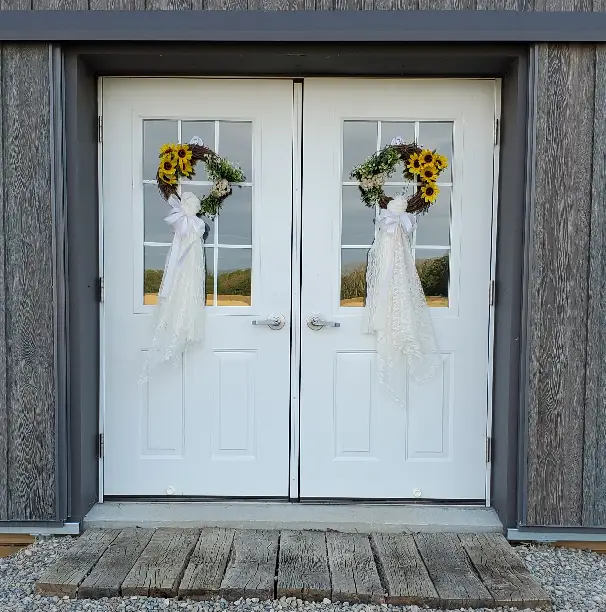
Most couples who tour Sunflower Hills mention the same few things afterward: the space feels personal rather than corporate, and the property works for both the ceremony and the reception without a change of location.
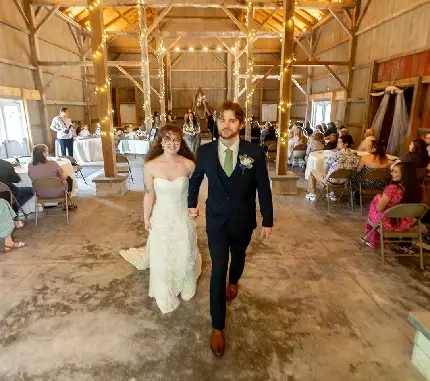
The grounds offer both indoor and outdoor options, so you’re not locked into one plan regardless of the weather. The natural light across the property gives photographers plenty to work with throughout the day, not just during a golden-hour window. Guest comfort is built into the layout too, with accessible parking, shaded seating areas, and a reception space that doesn’t feel cramped even at higher guest counts. Planning support is available throughout, from initial questions through the final walkthrough, so you’re not figuring out logistics on your own.
Common Wedding Venue Booking Mistakes
These are the mistakes that come up most often once couples are further into planning:
- Booking a venue before finalizing a guest count estimate.
- Not asking about weather backup until it’s too late to change plans.
- Assuming all-inclusive means everything is actually included.
- Skipping the sample contract review before paying a deposit.
- Forgetting to ask about vendor restrictions.
- Overlooking parking capacity for larger guest lists.
- Not confirming the payment schedule and cancellation policy.
- Choosing a date before checking venue availability.
- Ignoring accessibility needs for older or mobility-limited guests.
- Waiting until the final month to book florists, catering, or rentals tied to the venue.
Expert tip:
Book your wedding venue at least 12 months in advance if you’re planning a spring or fall wedding in Indiana. Those dates are often the first to sell out, sometimes more than a year ahead.