
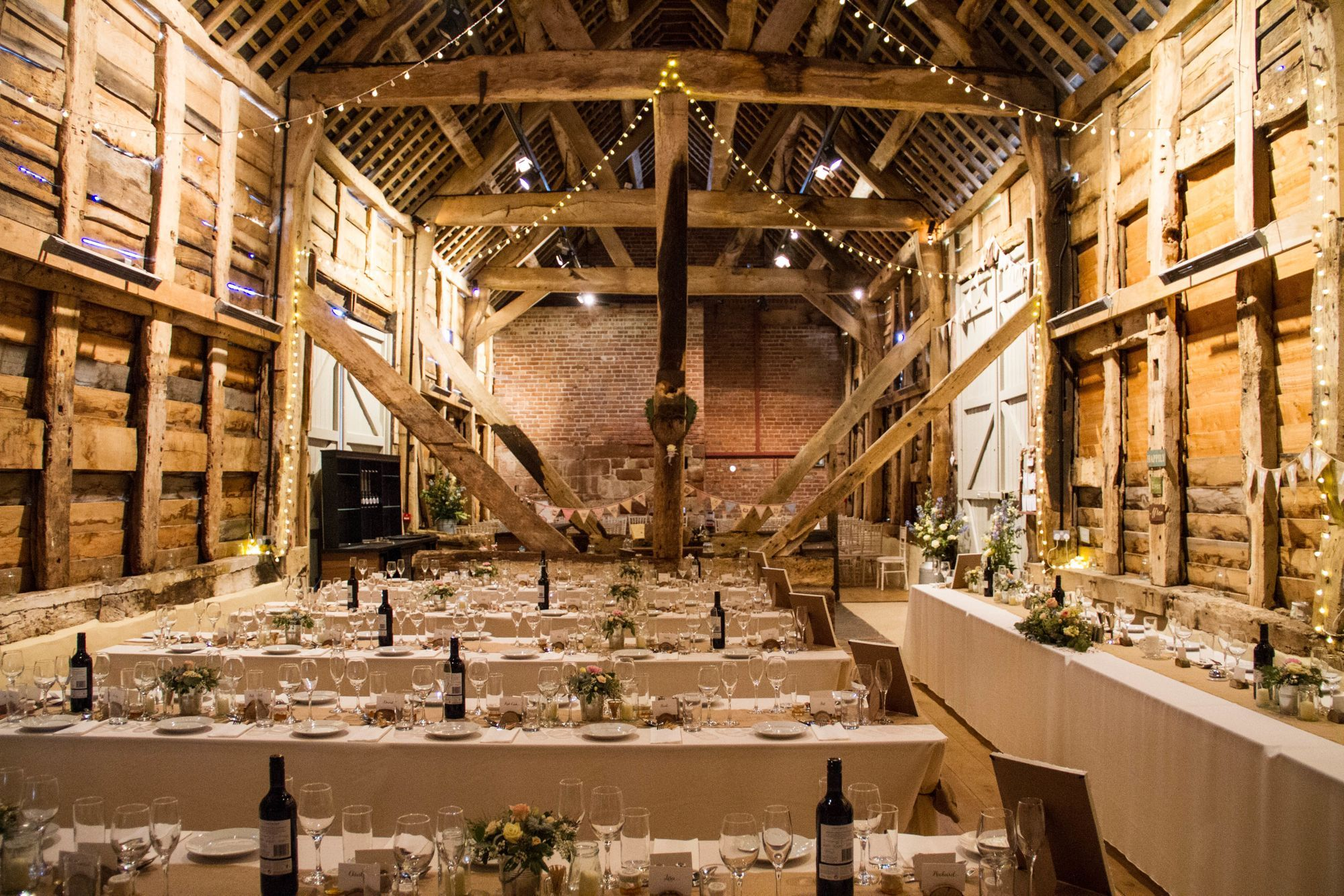
The day flies by, so a clear wedding day timeline is your best friend. It keeps vendors in sync, calms your nerves, and makes sure nothing is missed. This hour by hour guide shows you exactly how a barn wedding day can flow.
We built it around a sample 4:00 PM ceremony, the sweet spot for many couples. Shift the times to fit your own day, and share the final plan with every vendor.
If you are still in the early stages, start with a full planning timeline that covers everything from engagement to reception. Then use this guide to map out the wedding day itself.
Start With Your Venue Access Window
Every timeline begins with one question. What time can you get into the venue, and what time must you be out?
Confirm this window with Sunflower Hills before you plan anything else. Your whole barn wedding schedule is built inside those hours.
Ask whether you have the space the evening before as well. Even a couple of extra hours for decor can take huge pressure off the morning.
Setup Time and Vendor Load-In
Give yourself more setup time than you think you need. Decor, tables, and sound checks always take longer in a big space.
Stagger vendor load-in so the barn does not get crowded. The florist and rental team usually come first, then catering and the DJ.
Ask each vendor how long they need to set up. A florist with heavy installs may need two hours, while a DJ may need only one.
Rehearsal and Walk-Through Before the Day
A short rehearsal the day before removes most day-of stress. Everyone learns where to stand and when to walk.
Use the walk-through to confirm the layout too. Mark where the arch, tables, and dance floor will go.
Bring your point of contact to the rehearsal. The more they see in advance, the smoother they can run the day itself.
Morning to Ceremony: Getting Ready Without Stress
The morning sets the tone for the day. A calm start means a calm couple, so build in buffer time everywhere.
Bridal and Groom Suite Schedule
The private suites at Sunflower Hills make getting ready easy. Hair and makeup can run on site while the groom’s party relaxes nearby.
Book your stylists to finish 30 minutes early. That cushion covers any delays and leaves time for photos.
First Look and Portrait Timing
A first look before the ceremony is a smart time saver. It lets you capture couple and party portraits while guests arrive.
Talk to your photographer about the light. The hour before sunset gives the softest, most flattering photos.
Pad the schedule with small buffers between blocks. A spare ten minutes here and there absorbs the little delays that always happen.
Ceremony and Reception Flow
Here is how a sample 4:00 PM ceremony can unfold. Use it as a starting point, then adjust to your own plans.
| Time | What happens |
| 1:00 PM | Florist and rental team load in and set up |
| 2:00 PM | Hair and makeup wrap; getting ready photos |
| 2:30 PM | Caterer arrives and begins prep. |
| 3:00 PM | First look and wedding party portraits |
| 3:30 PM | Guests begin to arrive; music starts. |
| 4:00 PM | Ceremony begins |
| 4:30 PM | Cocktail hour starts; couple portraits. |
| 5:30 PM | Guests take their seats for dinner. |
| 5:45 PM | Welcome and toasts |
| 6:00 PM | Dinner service |
| 7:00 PM | First dance, then open dancing |
| 7:45 PM | Cake cutting |
| 9:30 PM | Last dance and send-off |
| 10:00 PM | Teardown and cleanup |
Cocktail Hour to Dinner Service
Cocktail hour buys you time for photos. It keeps guests happy with drinks and bites while you finish portraits.
Move people to dinner with a gentle nudge. Your coordinator or DJ can invite guests to find their seats.
Plan cocktail hour food around your timeline. If dinner is late, heavier bites keep guests comfortable and happy.
Toasts, First Dance and Open Dancing
Keep toasts short and sweet, around two minutes each. Three or four speakers is plenty for most weddings.
Open the dance floor right after your first dance. The energy is high, and guests are ready to join in.
Space out the big moments across the evening. A cake cutting or bouquet toss mid-party pulls people back together and lifts the energy again.
Vendor Coordination Cheat Sheet
Strong wedding vendor coordination is what holds the day together. Share this quick sheet so every vendor knows when to arrive and what they need.
| Vendor | Arrival time | What they need |
| Coordinator | 12:00 PM | Full timeline and vendor contacts |
| Florist | 1:00 PM | Early access, water, a placement map |
| Photographer | 2:00 PM | Getting ready access and a shot list |
| DJ or band | 2:00 PM | Power, a covered spot, the timeline |
| Caterer | 2:30 PM | Prep kitchen access and set tables |
| Officiant | 3:30 PM | Ceremony spot and a sound check |
Caterer, DJ, Photographer and Florist
These four vendors shape the whole guest experience. Give each a printed timeline and a name to call with questions.
The prep kitchen at Sunflower Hills lets your caterer plate on site. That keeps food hot and service smooth all evening.
Confirm each vendor’s end time as well as arrival. The DJ and photographer need to know when the night wraps, so nothing runs long.
Who Is Your Day-Of Point of Contact?
Pick one person to field every vendor question. It should not be you, and it should not be a parent in the wedding party.
This single contact keeps you present in your own day. Vendors get fast answers, and you get to enjoy the moment.
Do You Need a Planner or a Day-of Coordinator?
The planner question trips up many couples. The choice of wedding planner vs. day-of coordinator comes down to time, budget, and how hands-on you want to be.
Full Planner vs. Day-of Coordinator vs. DIY
A full planner helps for months, from vendors to design. It suits busy couples or big, complex weddings.
A day-of coordinator steps in near the end. They run the timeline on the day, so you do not have to.
Going fully DIY can work for a small, simple wedding. Just be honest about who will run the show while you get married.
Whatever you choose, do not leave the day unowned. Someone must hold the timeline, or the job quietly falls to you on the one day you should be fully present.
Frequently Asked Questions
How long should a barn wedding reception last?
Most receptions run about four to five hours, from cocktail hour to the send-off. A 4:00 PM ceremony often ends around 10:00 PM, which leaves plenty of time for dinner, toasts, and dancing.
When should the ceremony start for golden hour photos?
Start your ceremony two to three hours before sunset. For a summer evening, a 4:00 PM or 5:00 PM start usually lines up couple portraits with the soft golden hour light.
Who tells the vendors where to go on the wedding day?
Your point of contact for the day does, usually a coordinator. They hold the master timeline and vendor list, direct load-in, and answer questions so the couple does not have to.
Final Thought
A good wedding day timeline turns a busy day into a joyful one. Plan the hours, brief your vendors, and name one point of contact, then relax into it.
Picture your own day at our barn. Plan your Bryant venue rental, and we will help you build the perfect schedule.